Everyone should have access to clean, safe and affordable housing. Unfortunately, this is not always the case. That’s where HUD steps in.
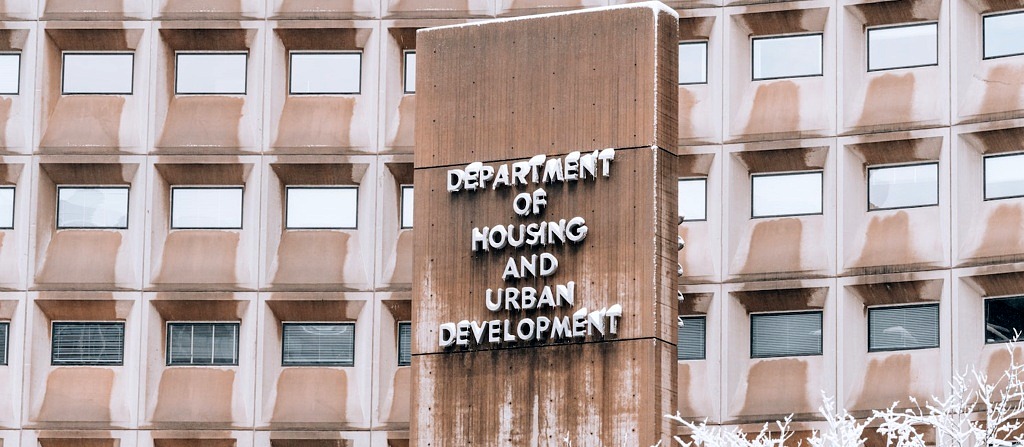
HUD stands for the Department of Housing and Urban Development. It is a government agency that creates and enforces programs and policies that address America’s housing needs, especially for low-income families.
As a renter and future homeowner, you should know about HUD and all of the programs it oversees. We will help you understand everything you need to know about these government programs and how they can help you.
What Is HUD?
HUD is an acronym that stands for the United States Department of Housing and Urban Development. HUD is a federal government agency run by a HUD secretary, appointed by the president of the United States.
The primary mission of the HUD program is to provide affordable and safe housing to low-income Americans. Through a variety of policies and other programs, HUD works with state and local governments to create and enforce fair housing opportunities for everyone.
HUD was first established in 1965 during Lyndon B. Johnson’s presidency. It has since evolved to include several fair housing laws and policies, but at its core, the goal is still to ensure that everyone has access to fair and equal public housing.
HUD programs
There are several HUD programs that can help low-income families and individuals. Depending on your needs, you may benefit from one or several of the following HUD assistance programs. We’ve listed some of the most common HUD programs that are available through the department of housing, but you can check out all of the HUD programs here.
Public housing units
Public housing is one of many HUD programs. It helps over 1.2 million individuals, families, seniors and veterans find safe and decent housing. Public housing can range from an apartment to a condo to a single-family home.
Your local housing agency uses income guidelines to see if you qualify for public housing assistance. Eligible people can work with their local governments to find rental housing in their area.

HUD homes
If you’re looking for more affordable housing choices, a HUD home is an option. A HUD home is one that was originally purchased with FHA loans but has since been foreclosed and is now owned by the Department of Housing and Urban Development.
An FHA loan or Federal Housing Administration loan is different from mortgage loans because it requires a lower down payment. Unlike the usual 20 percent down payment required, this type of loan are as low as 3.5 percent.
If someone defaults on this kind of mortgage loan though, the home goes into foreclosure and becomes property of the United States and is known as a HUD home. A HUD home sells as-is, but it is a less expensive housing option for people who are low-income. You can find a HUD home here.
Section 8
Section 8, formerly known as the Housing Choice Voucher Program, is another HUD program aimed at providing housing for people earning below the median income. It provides a housing voucher to help cover the cost of the rental unit. To qualify for Section 8 rental units, renters typically need to make less than 30 to 50 percent of the city’s median income.
Once you’ve been approved and qualify for the Section 8 voucher program, you can start looking for an apartment that accepts this type of rental assistance.
Federal Housing Administration loans and insurance
The Federal Housing Administration — abbreviated as the FHA — is a program under the Department of Housing and Urban Development. This program aims to provide housing by offering lower-rate mortgages and insurance through FHA-approved lenders.
Borrowers can get a mortgage and mortgage insurance through the FHA with a down payment as low as 3.5 percent, or 10 percent if they have really poor credit. Borrowers need to have a relatively low debt-to-income ratio to qualify, too. FHA mortgage insurance helps protect lenders against losses because the FHA will step in to pay the balance.
If you obtain an FHA mortgage loan, you will also need to pay a mortgage insurance premium (MIP). If you default on this type of HUD loan, your home will become a HUD home, as we mentioned above.
Fair Housing Assistance Program (FHAP)
The Fair Housing Assistance Program, or FHAP, receives funds from HUD and distributes them to local and state governments to enforce and enhance fair housing programs, rental assistance and public housing for low-income families.
Local and state governments must have laws in place that combat discrimination to qualify for FHAP. The laws and policies are similar to those outlined in the Fair Housing Act.
Community Development Block Grants (CDBG)
CDBG or Community Development Block Grants are annual grant funds given to different state and local governments to provide decent housing, urban development and community planning to improve public housing in general in a given area. HUD programs offer housing opportunities to people and improve economic opportunities for communities.
Low-income communities receive these federal funds and use them to improve housing and urban development. For example, if a city or metro has been hit by a natural disaster and is in need of disaster recovery assistance, CDBG comes into play.

Homeless assistance
HUD provides housing assistance to everyone and helps combat veteran homelessness. As part of the HUD Housing Act, HUD can provide emergency shelter grants to aid homeless veterans and others.
Homeless assistance programs use funds to help individuals on the brink of homelessness find shelter. The state provides homeless assistance and resources are found here.
Fair and equal housing laws
Under the Fair Housing Act, there are certain housing laws that prohibit housing discrimination. Landlords and property managers cannot discriminate based on race, color, national origin, religion, sex, disability or familial status.
You may need to have a specific credit score or earn around the median income to qualify for an apartment or home, but landlords do not have the right to discriminate based on the criteria listed above.
Can HUD help me?
HUD can help anyone who may need housing assistance. Whether you’re looking to avoid foreclosure, rent an apartment, buy HUD homes or remain out of homelessness, HUD is the ultimate solution as it is a housing agency aimed at helping all low-income individuals. HUD is a free resource available to everyone, but low-income individuals benefit the most from programs like HUD homes or public housing.
Understanding HUD and urban development
The primary purpose of the Department of Housing and Urban Development is to create equitable opportunities for low-income Americans. Everyone has the right to a safe, clean and habitable space, and HUD aims to create programs that make renting or owning a home more realistic.
In addition to providing things like housing or rental assistance, HUD builds up communities at the root by providing grants that help maintain, clean up and even renovate towns and cities.
HUD is a free resource that is available to everyone. You can get more information at the HUD exchange or on the HUD website.