Let’s take a walk down memory lane and revisit the time you learned about primary colors — red, yellow and blue. You may also remember secondary colors — green, orange and purple. These color combinations make up the color wheel. Not only are these color schemes nice to look at but they can also help you turn your apartment from drab to fab when used correctly.
Using complementary colors and the basics of color theory, you can take any plain room and turn it into an appealing and eye-catching space that you love to call home. We’ll walk you through the basics of modern color theory and teach you how to use opposite colors to your advantage!

How color theory works
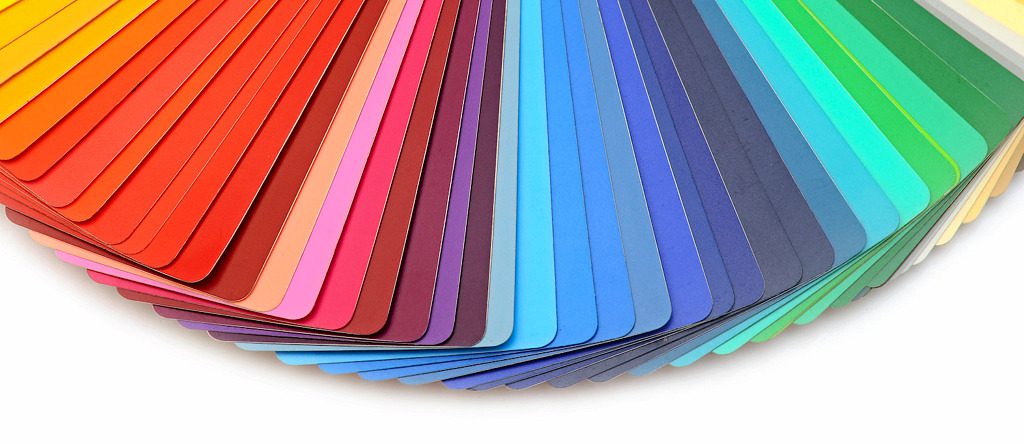
Imagine the color wheel and you’ll see a rainbow of colors on the color spectrum. A color wheel is a great tool that maps out all the colors and allows you to see color combinations that look good together and the relationship between each color. Fun fact: Sir Isaac Newton invented the color wheel.
Before we show you some complementary color designs, let’s go over a few definitions.
Primary colors
Red, yellow and blue are the three primary colors. You can make almost any other color by combining these three together.
Secondary colors
The secondary colors are green, orange and purple. You create these by mixing any two primary colors together. For example, blue and yellow create green or you can make purple by mixing red and blue together.
Tertiary colors
Mixing any two colors together gives you tertiary colors. You can create quite a diverse color palette and form other colors like blue-violet, blue-purple, red-violet or red-purple simply by combining any primary color or secondary color together. Your options are endless!
Tetradic color schemes like blue-green
Tetradic color schemes are four evenly spaced colors are on the wheel. For example, red, green, blue and purple are tetradic colors because they are all evenly spaced from each other on the color wheel.
Analogous color schemes like yellow-green
An analogous color scheme is three colors that are side by side on the color wheel. This could be three shades of the same color or it could be shades of blue-green, yellow-green or yellow-orange as they are all side-by-side on the color wheel. Analogous colors are either warm colors or cool colors. If you’re using an analogous color scheme, you may want to choose one shade or hue as the third color so it’s not too overwhelming.
RGB color model
You may have heard about RGB colors, or red, green, blue colors. Web designers use RGB and it’s a way to mix light online.
The color wheel helps create harmonious color combinations that appeal to everyone. When colors look good together they form color harmony. Artists, designers and apartment renters alike can use color schemes and color harmonies to their advantage.
Now that we’ve covered the basics of color theory, let’s talk about complementary colors and how complementary pairs can make your apartment a visual wonderland.

What are complementary colors?
Complementary colors are colors that are opposite each other on the color wheel. If you look at the color wheel, the three evenly spaced colors form geometric relationships.
As you can see, complementary colors include orange and blue, red and green or magenta and green and yellow and purple. Look at the circle showing one color and then look directly opposite to see the complementary color. The colors formed create visual interest and will make your apartment a therapeutic place to live.
Why complementary colors appeal to people
Complementary colors are so appealing because they’re in high contrast and have a high impact when compared to each other. They work well together and make the other color look brighter. Claude Monet, one of the world’s most famous artists said, “Color makes its impact from contrast rather than from its inherent qualities…the primary colors seem more brilliant when they are in contrast with their complementary colors.”
If the great artists used complementary colors, it’s a good indicator you should, too. Using opposite colors as part of your home design can help you turn any plain apartment space into a fabulous apartment.
Using the color wheel in your apartment
Are you ready to put color theory to the test? Here are some examples of how you can use different complementary colors to your advantage in your apartment.

Blue and orange
The color combination of blue and orange combines warm and cool colors together. Blue is the cool color and orange is the warm color. When decorating an apartment with different colors, you can use paint, beautiful pictures, furniture or a combination of it all to create a complementary color scheme.
You’ll want to choose a dominant color. For example, you could have an entire wall that is blue and then use orange accents to make the other color pop. If you can’t change the colors of the walls of your apartment, you can use furniture to your advantage. The example in the picture below shows how you can take opposite sides of the color wheel — orange and blue — buy some furniture in those colors and have some apartment therapy.

Red or magenta and green
Red and green are other sets of colors that lie opposite each other on the color wheel. This combination of hues is great for those looking to make a bold statement. While red and green may seem like holiday colors, they aren’t reserved for December only.
As you can see in this example, the bold use of deep red on the bedroom wall is the main color scheme. Then, the apartment dweller has tastefully used plants and a deep green bedspread to make a nice color harmony.

Yellow and purple
The color scheme of yellow and purple is another that creates color harmony. Varying shades of yellow and purple are colors on the color wheel that will pop and make you feel at ease in your home. Red-violet and red-orange could be other colors or hues you use, too.
Lots of apartments use white as the main paint color and won’t allow you to change the wall color. However, you can use these two colors to make a statement.
As you can see, the use of lavender plants and yellow pillows is a subtle way to use purple and yellow to your advantage.
Decorate your apartment with complementary colors
Color is one of the best ways to decorate your apartment. You can pick any color scheme, hue or shade to spice up your space. By using the basics of color theory to your advantage, you can make an ordinary apartment a fabulous space to call home. Which colors will you choose?