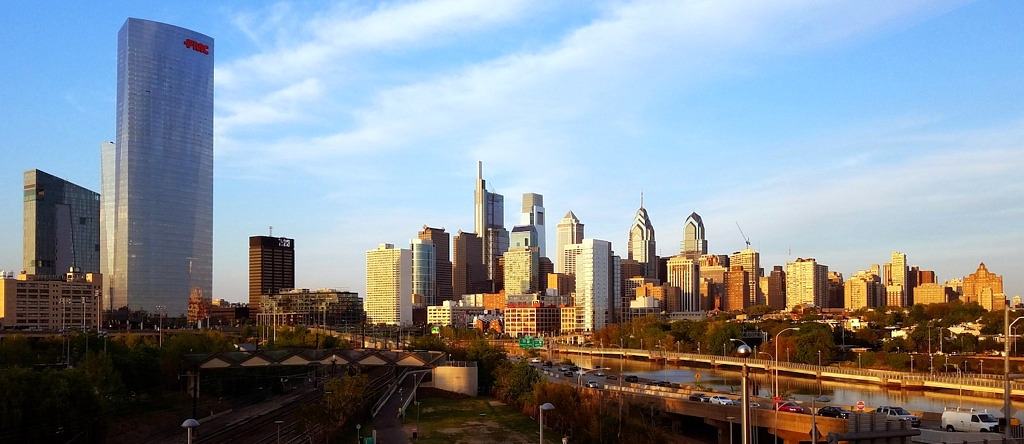
Philadelphia, often referred to as “The Birthplace of America,” is a city rich in history, culture, and opportunity. With its iconic landmarks, vibrant neighborhoods, and world-class institutions, it’s no surprise that so many people are drawn to calling Philly their home. However, life in this historic city comes with its own set of challenges. So whether you’re searching for a modern apartment in Center City or a charming home in South Philly, you’ve come to the right place. In this ApartmentGuide article, we’ll explore the various pros and cons of living in Philadelphia, helping you decide if the City of Brotherly Love is the right place for you.
Fast facts about living in Philadelphia
-
Known for: Philadelphia is known for its rich history, iconic landmarks, and vibrant cultural scene
- Fun fact: Philadelphia is home to the Liberty Bell and Independence Hall, where the Declaration of Independence and U.S. Constitution were signed
- Population: Over 1.6 million residents
- Average rent: $1,826 per month for a one-bedroom apartment
- Median home sale price: $265,000
- Subway stations: 75, providing extensive public transit options
- Public parks: More than 300 green spaces for recreation and relaxation
- Annual tourists: Approximately 45 million visitors each year
- Restaurants: Over 7,000, offering a wide variety of cuisines from around the world

1. Pro: Rich historical significance
As the birthplace of American democracy, Philadelphia is steeped in history and home to some of the nation’s most iconic landmarks. Visitors and residents can explore Independence Hall, where the Declaration of Independence and U.S. Constitution were signed, or visit the legendary Liberty Bell. Historic neighborhoods like Society Hill feature cobblestone streets and 18th-century architecture, preserving the city’s colonial charm. From Elfreth’s Alley, the oldest continuously inhabited street in the U.S., to the Museum of the American Revolution, Philadelphia’s historical significance provides a deep connection to the country’s past and a unique living experience for history enthusiasts.
2. Con: High cost of living
Philadelphia offers a relatively affordable lifestyle compared to many major U.S. cities. The overall cost of living in Philadelphia is just 3% higher than the national average, making it an appealing option for those seeking urban amenities without the steep prices of other East Coast cities. Housing remains budget-friendly, with a median sale price for a home in Philadelphia at $265,000—significantly below the national average of $435,051. Renters will find the average cost for a one-bedroom apartment in Philadelphia at $1,826, slightly above the national average of $1,534.
Everyday expenses are manageable but vary across categories. Utilities are 7% higher, groceries are 3% more, and transportation costs are 6% above the national average. However, healthcare costs are 4% below average, offering some savings in essential services.
Philadelphia’s affordable housing, combined with its rich culture and historic significance, makes it an attractive destination for those seeking a vibrant city life without breaking the bank.
3. Pro: Thriving job market
Philadelphia has a robust job market, with opportunities in various industries such as healthcare, education, finance, and technology. Major employers in the city include the University of Pennsylvania, Comcast, and Children’s Hospital of Philadelphia. The city’s economy is bolstered by its numerous universities, research institutions, and a growing startup scene, providing ample career growth potential.
5 of Philadelphia’s top employers
- University of Pennsylvania
- Comcast Corporation
- Jefferson Health
- Children’s Hospital of Philadelphia
- Temple University

4. Con: High taxes
Philadelphia has higher-than-average taxes compared to many cities in the U.S. The city imposes a wage tax on residents and non-residents who work in the city, which can add to financial burdens. Additionally, property taxes and local sales taxes further contribute to the overall cost of living.
5. Pro: Extensive public transportation system
Philadelphia boasts an extensive and reliable public transportation system, making it easy for residents to navigate the city and surrounding areas without a car. The Southeastern Pennsylvania Transportation Authority (SEPTA) operates buses, subways, trolleys, and regional rail lines, connecting neighborhoods within the city and offering convenient access to nearby suburbs. The city’s walkable layout and bike-friendly infrastructure further enhance mobility, allowing commuters and visitors to explore everything from Center City to historic districts with ease.
Philadelphia transportation scores
- Walk Score: 75
- Transit Score: 67
- Bike Score: 67
6. Con: Aging infrastructure
Philadelphia’s aging infrastructure can present challenges for residents. Many roads, bridges, and public buildings are in need of repairs and updates, which can lead to traffic delays, potholes, and ongoing construction projects. Older water and sewage systems also require maintenance, occasionally resulting in service disruptions. While the city has made efforts to invest in improvements, the older infrastructure remains a concern for those living and commuting in Philadelphia.
7. Pro: Diverse neighborhoods
Philadelphia is a city of vibrant and diverse neighborhoods, each offering its own unique character and charm. From the historic cobblestone streets of Old City to the trendy art scene in Fishtown, there’s a neighborhood for every lifestyle. Explore the multicultural atmosphere of South Philly, known for its Italian Market and diverse food options, or enjoy the tree-lined streets and stately homes of Chestnut Hill. Neighborhoods like University City cater to students and academics, while Manayunk offers a lively mix of shops, restaurants, and nightlife. This diversity provides residents with a wide variety of cultural experiences, cuisines, and community vibes to explore and enjoy.
Looking for the perfect spot outside the city? Check out our guide to the Top 8 Philadelphia, PA Suburbs to Live In for a mix of charm, convenience, and community.

8. Con: Weather extremes
Philadelphia experiences all four seasons, which means hot, humid summers and cold, snowy winters. While some enjoy the variety, others may find the weather extremes challenging to handle. Snowstorms can disrupt daily life, affecting transportation and causing school and work closures. Summer heat waves can be uncomfortable, leading to increased energy costs for cooling. The transition seasons, spring and fall, can also be unpredictable, with sudden changes in temperature and weather conditions.
9. Pro: Access to quality education and healthcare
Philadelphia is home to some of the best educational institutions in the country, including the University of Pennsylvania, Temple University, Drexel University, and Thomas Jefferson University. The city also boasts top-notch healthcare facilities such as Jefferson Health, the Children’s Hospital of Philadelphia (CHOP), and the Hospital of the University of Pennsylvania (HUP), which are renowned for their cutting-edge medical research, specialized treatments, and high-quality patient care.
10. Con: Limited nightlife options
While Philadelphia has a vibrant cultural scene, its nightlife options can be limited compared to larger cities like New York or Los Angeles. The city’s nightlife tends to be more low-key, with a focus on local bars and smaller music venues. For those seeking a more bustling nightlife with a wide variety of clubs and late-night entertainment, Philadelphia might feel a bit underwhelming.
11. Pro: Abundance of green spaces
Despite its urban environment, Philadelphia offers numerous green spaces where residents can escape the hustle and bustle of city life. Fairmount Park, one of the largest urban parks in the country, provides ample opportunities for outdoor activities. Other popular parks include Rittenhouse Square, Wissahickon Valley Park, and Penn’s Landing. These green spaces provide a much-needed respite from the city’s fast pace and are perfect for recreation and relaxation.
Popular Philadelphia parks:
- Clark Park
- Schuylkill River Trail
- Pastorius Park
- Bartram’s Garden
- Belmont Plateau

12. Pro: Iconic landmarks and cultural institutions
Philadelphia is home to world-renowned landmarks and cultural institutions that add to its unique charm. The Philadelphia Museum of Art, with its iconic “Rocky Steps,” and the Barnes Foundation showcase impressive art collections. The Kimmel Center for the Performing Arts hosts world-class concerts and shows, while Eastern State Penitentiary offers a unique historical and educational experience. Additionally, landmarks like the LOVE Park and Reading Terminal Market provide spaces where residents and visitors alike can gather, explore, and appreciate the city’s vibrant culture. These attractions make Philadelphia a hub for arts, entertainment, and tourism.
13. Pro: Rich cultural diversity
Philadelphia is known for its cultural mosaic of vibrant diversity, home to people from around the world. In neighborhoods like South Philadelphia, Chinatown, and Germantown, residents can experience a wide array of cuisines and traditions from different cultures. This blend of backgrounds creates a unique environment where diverse perspectives and traditions thrive. Cultural institutions, festivals, and parades throughout the city highlight this diversity, from the annual Mummers Parade to the Odunde Festival and the Italian Market Festival.
Pros & cons of living in Philadelphia (Summary)
- Pro: Rich historical significance
- Con: High cost of living
- Pro: Thriving job market
- Con: High taxes
- Pro: Extensive public transportation system
- Con: Aging infrastructure
- Pro: Diverse neighborhoods
- Con: Weather extremes
- Pro: Access to quality education and healthcare
- Con: Limited nightlife options
- Pro: Abundance of green spaces
- Pro: Iconic landmarks and cultural institutions
- Pro: Rich cultural diversity