Renting in Nevada snapshot
| Population | 3,267,467 |
| Avg. studio rent | $820 per month |
| Avg. one-bedroom rent | $1,067 per month |
| Avg. two-bedroom rent | $1,297 per month |
| Most affordable cities to rent in Nevada | Pahrump, North Las Vegas, Sun Valley |
| Most walkable cities in Nevada | Winchester, Paradise, Spring Valley |
1. Pro: Epic scenery that feels straight out of a movie
Nevada’s landscapes are nothing short of cinematic, offering some of the most diverse and dramatic scenery in the country. Whether you’re trekking through the crimson sandstone formations of Valley of Fire, exploring the otherworldly rock formations at Cathedral Gorge, or gazing at the endless salt flats of Black Rock Desert, Nevada constantly surprises you. You can kayak down the emerald-green waters of the Colorado River, camp under some of the darkest, clearest skies in the U.S., or take an off-road adventure into the vast desert. Even a simple road trip through the state can feel like stepping onto another planet—one moment, you’re driving through rolling mountains, and the next, you’re surrounded by dunes that stretch for miles.

2. Con: Water conservation is a daily reality
If there’s one thing you can’t take for granted in Nevada, it’s water. The state is one of the driest in the U.S., receiving just a few inches of rain each year. Most of Nevada’s water supply comes from the overburdened Colorado River, which is shared with six other states, or from underground aquifers that are slowly depleting. Cities like Las Vegas have strict water conservation laws, including restrictions on lawn watering, car washing, and even the types of plants you can have in your yard. In fact, Las Vegas has incentivized residents to replace grass with drought-friendly landscaping, and those who ignore the rules can face fines.
3. Pro: Vegas is the entertainment capital of the world
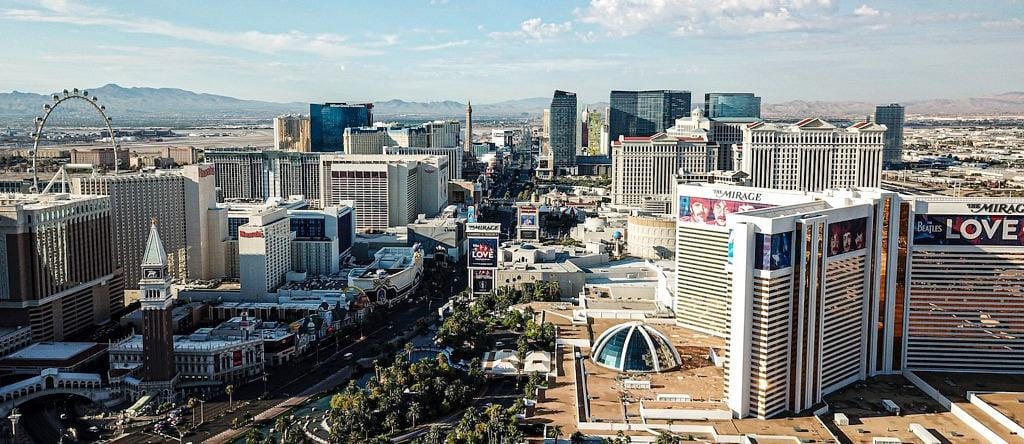
There’s no denying that Nevada knows how to have fun. Las Vegas, the state’s crown jewel, is famous for its around-the-clock entertainment, world-class casinos, luxury dining, and high-energy nightlife. But beyond the glitz and glamour of The Strip, Nevada offers a wealth of unique attractions. In Carson City, the Nevada State Museum provides a deep dive into the state’s rich mining and Wild West history. Ghost towns like Rhyolite and Virginia City transport visitors back to the Gold Rush era, with abandoned saloons and eerie remnants of once-thriving boomtowns.
4. Con: Heat so intense you’ll seek relief
Nevada summers are not for the faint of heart. With temperatures regularly soaring above 100°F, the heat can be relentless, especially in desert cities like Las Vegas and Henderson. Walking outside midday feels like stepping into a blast furnace, and even after the sun goes down, the pavement radiates stored heat long into the night. If you’re moving to Nevada, expect your electricity bill to skyrocket in the summer as air conditioning becomes a non-negotiable necessity.

5. Pro: More money saved, thanks to no state income tax
One of Nevada’s biggest financial perks is that it doesn’t charge residents state income tax, making it a great destination for those looking to maximize their earnings. This policy isn’t just great for individuals—it also makes Nevada a business-friendly state, drawing in companies and entrepreneurs who want to operate in a lower-tax environment. Without state income tax cutting into paychecks, residents can allocate more money toward housing, travel, or entertainment. This is especially appealing to people moving from high-tax states like California, where income tax rates can climb into double digits.
6. Con: Public transit is practically nonexistent
If you’re used to big-city transit systems like those in New York or Chicago, Nevada’s public transportation will be a rude awakening. Outside of Las Vegas and Reno, reliable transit options are scarce, making a personal vehicle a necessity. Even in Las Vegas, where the RTC bus system serves the metro area, routes can be infrequent or limited, especially in suburban neighborhoods. Spring Valley, for instance, has a transit score of just 38, meaning most errands require a car.
7. Pro: Adventure is right in your backyard
One of the best parts about living in Nevada is its proximity to some of the country’s most breathtaking natural wonders. Lake Tahoe, with its crystal-clear waters and top-tier ski resorts, is just a short drive from Reno. Death Valley’s surreal landscapes, including the lowest point in North America, are within easy reach for a weekend trip. The Grand Canyon, Zion National Park, and Yosemite are all just a few hours away, making Nevada a prime base camp. Whether you’re skiing, hiking, kayaking, or off-roading, living here means you’re never far from an adventure.

8. Con: Tourists, tourists everywhere
Las Vegas attracts over 40 million visitors a year, and if you live there, you’ll feel it. The Strip is constantly packed, hotels and casinos are bustling, and traffic can be a nightmare, especially during major events. Tourists also drive up prices on everything from rent to groceries, making some essentials more expensive than in other states. If you’re a local, you’ll quickly learn to avoid The Strip on weekends and stick to the hidden gems where the crowds are thinner.
9. Pro: Say goodbye to rainy days
If you love sunshine, Nevada is paradise. It’s the driest state in the U.S., meaning you’ll rarely have to deal with rain ruining your plans. With over 300 days of sunshine a year, outdoor activities are almost always an option, whether it’s hiking, golfing, or just lounging by the pool. The downside? You might start to miss the occasional thunderstorm or a good rainy day.
10. Con: Air quality issues raise concerns
Nevada’s air quality can be problematic, especially in urban areas like Las Vegas, where vehicle emissions, industrial pollution, and dust contribute to smog. During wildfire season, smoke from neighboring states can create hazardous air conditions, making outdoor activities difficult for those with respiratory issues. While the air quality is generally better in rural areas, desert dust storms can occasionally make breathing a challenge.

11. Pro: Lower cost of living compared to neighboring states
12. Con: Earthquakes, flash floods, and wildfire risks
While Nevada avoids hurricanes and blizzards, it has its share of natural hazards, including earthquakes, flash floods, wildfires, and extreme temperatures. The state is one of the most seismically active in the U.S., with fault lines near Reno and Carson City causing occasional tremors. Flash floods are common during monsoon season, especially in Las Vegas, where poor drainage can turn streets into rivers within minutes. Wildfires also pose a growing threat, particularly in northern Nevada and the Lake Tahoe region, where dry conditions and high winds can lead to massive blazes and hazardous air quality.
Methodology : The population data is from the United States Census Bureau, walkable cities are from Walk Score, and rental data is from ApartmentGuide.