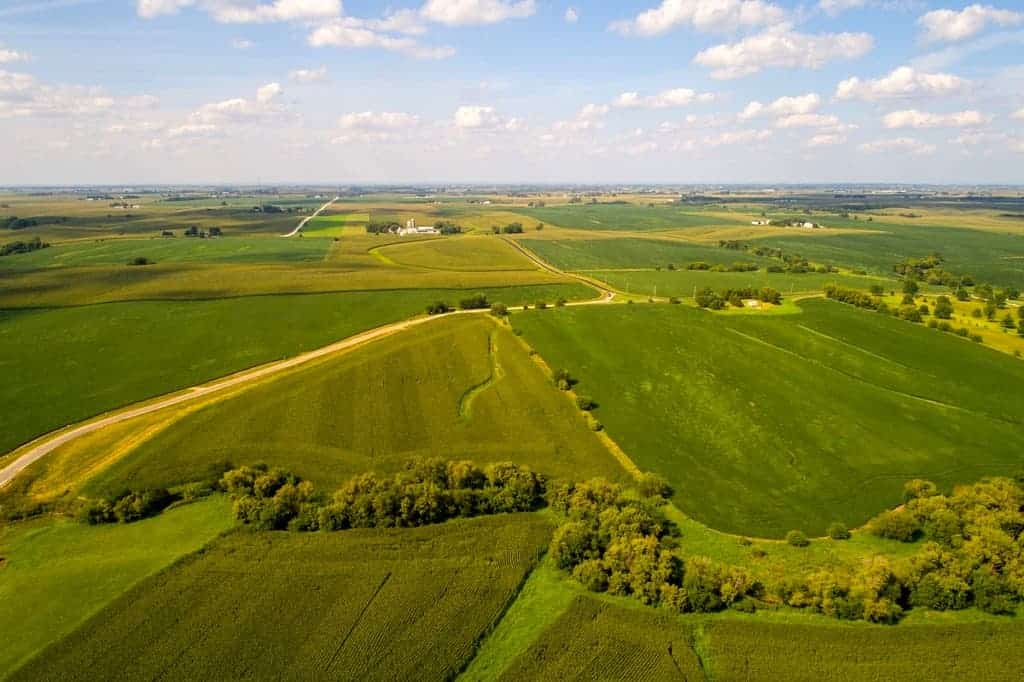
Iowa provides residents with a true Midwestern experience, shaped by its agricultural roots, close-knit communities, and picturesque landscapes. In Des Moines, you’ll find a lively arts scene, diverse dining options, and growing opportunities in business and innovation. Meanwhile, Iowa City stands out as a cultural and academic center, thanks to the University of Iowa. While life in Iowa comes with many advantages, there are also challenges to consider. In this ApartmentGuide article, we’ll explore the pros and cons of living in Iowa, giving you a clear picture of what to expect in “The Hawkeye State.”
Renting in Iowa snapshot
| Population | 3,241,488 |
| Avg. studio rent | $783 per month |
| Avg. one-bedroom rent | $877 per month |
| Avg. two-bedroom rent | $1,026 per month |
| Most affordable cities to rent in Iowa | Waterloo, Dubuque, Cedar Rapids |
| Most walkable cities in Iowa | Des Moines, Iowa City, Davenport |
1. Pro: Affordable housing in the entire state
Iowa is one of the most budget-friendly states to call home. Housing costs are significantly lower than the national average, making it a good place to live. For instance, in Cedar Rapids, the median home price is just $192,000, which is much more attainable than in larger metropolitan areas. The lower-than-average home prices make it easier for renters to transition into homeownership, offering a more attainable path to owning a home. As for renters, a one-bedroom apartment averages around $797 per month. Additionally, essential costs like utilities, groceries, and healthcare remain lower compared to most states.
Wondering how much rent you can afford? Check out our rent calculator.
2. Con: Winters demand preparation
Iowa winters can be brutal, with temperatures regularly dipping below freezing and blizzards sweeping across the plains. Cities like Sioux City and Des Moines often experience icy roads, heavy snowfall, and wind chills that make outdoor activities nearly impossible. Snowplows and salt trucks work tirelessly to keep roads clear, but residents should be prepared with winter tires and emergency kits for their vehicles.

3. Pro: Farming fuels Iowa’s economy
Iowa’s agricultural roots run deep, making it one of the nation’s top producers of corn, soybeans, and pork. The state’s fertile soil and temperate climate create ideal conditions for farming, which is the backbone of Iowa’s economy. More than 85% of the state’s land is used for agriculture, and towns like Newton and Council Bluffs thrive on this industry. Beyond economics, farming influences Iowa’s culture, with events like the Iowa State Fair celebrating the state’s rural heritage through livestock shows, crop competitions, and farm-inspired cuisine.
4. Con: Life in rural Iowa comes with challenges
While Iowa’s rural areas offer peace and quiet, they also come with drawbacks like limited access to essential services. Smaller towns may lack nearby hospitals, major grocery stores, and entertainment venues. Long drives to reach healthcare providers or find specialty stores can be a regular inconvenience. Internet access can also be slower or less reliable in remote areas, creating hurdles for remote workers or students.
5. Pro: Full of history and heritage
From its Native American roots to its immigrant communities, Iowa has a rich history. The Amana Colonies preserve the lifestyle of German settlers, offering a glimpse into 19th-century communal living, while the Meskwaki Nation continues to celebrate its heritage through art, festivals, and storytelling. Iowa City, the state’s first capital, is a UNESCO City of Literature, hosting literary festivals and paying homage to its literary giants like Kurt Vonnegut and Marilynne Robinson. Museums like the National Czech & Slovak Museum in Cedar Rapids further highlight the state’s cultural diversity.

6. Con: Arts and entertainment may feel limited
While Iowa has cultural hotspots, options for arts and entertainment can feel sparse compared to larger states. Cities like Waterloo have museums and theaters, but these venues may not offer the same variety or frequency of performances as in Chicago or Minneapolis. Residents sometimes travel to nearby states for larger concerts or exhibitions. That said, Iowa does host standout events like the Cedar Rapids Freedom Festival and the Des Moines Arts Festival, drawing regional and national attention for their quality and community spirit.
7. Pro: Parks and trails showcase scenic Iowa
Iowa’s landscapes provide endless opportunities for outdoor recreation. State parks like Maquoketa Caves, with its unique limestone formations, and Effigy Mounds, a historic site with ancient earthworks, attracts visitors year-round. Cyclists can enjoy the state’s extensive trail systems, such as the High Trestle Trail, known for its breathtaking bridge views, especially when lit up at night. Whether hiking, camping, or birdwatching, Iowa’s parks make it easy to reconnect with nature.

8. Con: Tornadoes are a serious concern for residents
Located in Tornado Alley, Iowa is no stranger to severe weather, especially during spring and summer. Tornado sirens are a common feature in towns, and residents are encouraged to stay alert during storm season. Emergency plans are essential, and many homes have storm shelters or basements to provide safety during severe weather.
9. Pro: Easy driving makes Iowa’s roads stress-free
Commuting in Iowa is refreshingly hassle-free compared to larger states. Even in busier cities like Iowa City or Des Moines, traffic is minimal, with average commute times often under 20 minutes. For those in smaller towns, driving is a breeze, with open roads and scenic routes at every turn. Iowa’s well-maintained highways and interstates, like I-80 and I-35, make traveling across the state straightforward and efficient.
10. Con: Pollen season brings unwelcome side effects
Iowa’s lush greenery and diverse plant life contribute to seasonal allergies for many residents. Spring ushers in tree pollen from species like oak, birch, and cedar, while fall brings ragweed into the mix. Cities like Cedar Rapids and Des Moines provide allergy reports to help residents plan their outdoor activities.

11. Pro: Neighbors know how to come together
12. Con: Property taxes hit hard
Methodology : The population data is from the United States Census Bureau, walkable cities are from Walk Score, and rental data is from ApartmentGuide.