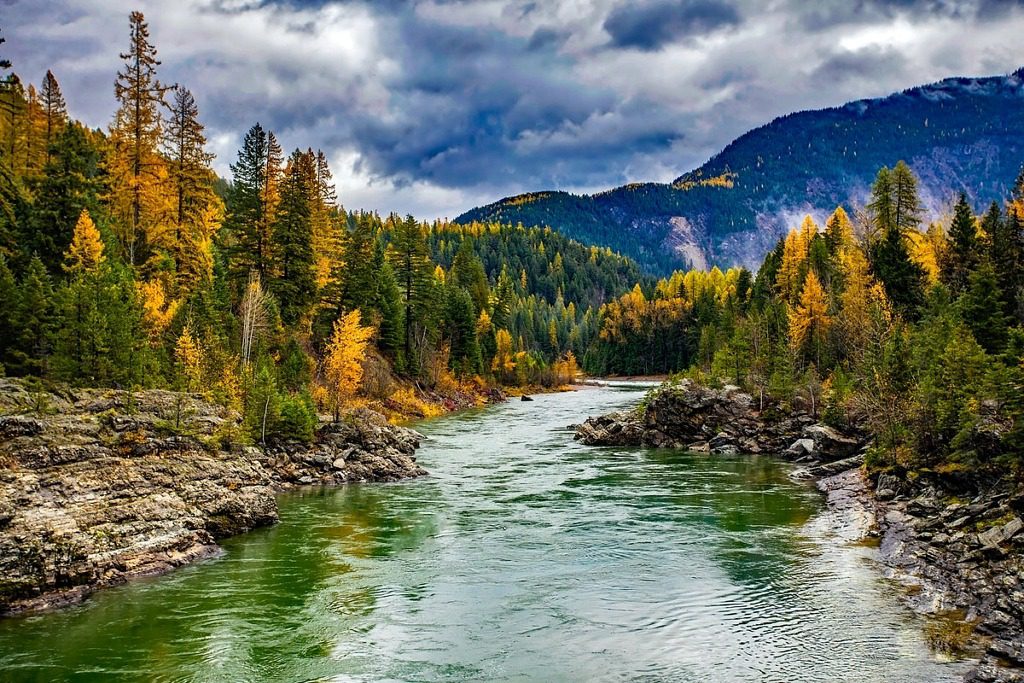
In the far northwestern corner of the United States lies the vast landscape of Alaska. Renowned for its rugged wilderness, towering mountains, and icy fjords, Alaska offers an adventurous lifestyle for those seeking it. Large cities like Anchorage, with its urban amenities amidst stunning natural surroundings, and Juneau, the picturesque capital nestled amid mountains and glaciers, exemplify life in Alaska. However, living in Alaska does present its own unique challenges. In this ApartmentGuide article, we’ll outline the pros and cons of living in Alaska, helping you decide if the “Last Frontier” state is right for you.

Renting in Alaska snapshot
| Population | 740,133 |
| Avg. one-bedroom rent | $821 per month |
| Avg. two-bedroom rent | $922 per month |
| Most affordable cities to rent in Alaska | Palmer, Anchorage, North Pole |
| Most walkable cities in Alaska | Fairbanks, Anchorage, Juneau |
1. Pro: Majestic mountains, forests and water
From the towering peaks of Denali to the glaciers of Kenai Fjords National Park, Alaska’s landscapes offer something extraordinary. You can hike through untouched wilderness, kayak among floating icebergs, or camp under a sky full of stars. Wildlife encounters make the scenery even more special—watch grizzly bears fish in the streams of Katmai National Park or glimpse moose grazing near Anchorage. Whether it’s the midnight sun in summer or the northern lights in winter, nature in Alaska creates a backdrop that feels almost otherworldly.

2. Con: Bone-chilling winters and powerful storms
Living in Alaska means experiencing some of the most extreme weather conditions in the U.S. Winter temperatures can plunge below -50°F in places like Fairbanks, while coastal areas face fierce storms with heavy snow and hurricane-strength winds. Proper preparation isn’t optional—it’s a way of life. Investing in thermal gear and learning how to manage icy conditions is crucial.
3. Pro: Unmatched wildlife encounters
Alaska is one of the few places where you can see animals like grizzly bears, bald eagles, and humpback whales in their natural environment. Visit Brooks Falls in Katmai National Park to watch bears hunting for salmon, or take a boat tour along the Inside Passage to spot pods of orcas and playful sea otters. Birdwatchers flock to the Arctic National Wildlife Refuge, home to thousands of migratory birds. Alaska isn’t just about seeing wildlife; it’s about experiencing their world up close.

4. Con: Isolation from the rest of the country
Alaska’s remote nature creates a sense of adventure, but it comes with challenges. Many communities are only accessible by plane or boat, such as Unalaska in the Aleutian Islands, where travel requires either a ferry ride or a flight. This isolation makes daily logistics more complicated and increases the cost of goods, but it also means fewer crowds, more privacy, and a deep connection to the surrounding wilderness. For those willing to embrace the remoteness, Alaska is a good place to explore some of the most untouched landscapes in the world.
5. Pro: Incredible Northern lights
Few natural wonders rival the aurora borealis, and Alaska is one of the best places in the world to witness this dazzling display. Fairbanks is a popular destination, with its clear skies and long winter nights providing ideal conditions to see the lights dancing across the sky in shades of green, purple, and even red. More adventurous travelers can head to remote areas like Coldfoot or the Arctic Circle, where the auroras are even more vivid against the pristine, dark skies.
6. Con: Driving tests your nerves and skills
Driving in Alaska is not for the faint of heart, especially during the winter months when icy roads, snowdrifts, and limited daylight create a trifecta of challenges. The Alaska Highway, a lifeline for many, is beautiful but treacherous, with steep grades and sharp curves. Even in summer, remote roads like the Dalton Highway demand careful preparation, with limited services and stretches of rugged terrain. Winter conditions require four-wheel drive, studded tires, and emergency kits to ensure safety.

7. Pro: No state income or sales tax
One of the biggest financial perks of living in Alaska is its lack of state income and sales taxes. This policy leaves more money in residents’ pockets and helps offset the high cost of goods and services. On top of that, the annual Permanent Fund Dividend, funded by Alaska’s oil revenue, provides an extra financial boost, with payments ranging from $1,000 to over $2,000 per person in recent years.
8. Con: Living here comes with a hefty price tag
Alaska’s remote location significantly impacts the cost of living. Groceries, utilities, and healthcare are among the most expensive in the country. For example, a gallon of milk in rural areas can cost as much as $10, while heating bills during winter often reach hundreds of dollars per month. The state also has some of the highest food and medical costs in the U.S.
If you’re considering moving to Alaska, using tools like a rent calculator can give you insight on how much you can afford.
9. Pro: Rich in indigenous cultures
Alaska’s heritage is deeply rooted in its Native Alaskan communities, which make up a significant part of the population. This cultural richness is celebrated through traditional festivals, art, and storytelling. The Festival of Native Arts in Fairbanks is a must-see, offering a showcase of indigenous dance, music, and crafts. You can also explore cultural hubs like the Alaska Native Heritage Center in Anchorage, where exhibits and performances bring history to life.

10. Con: Finding work can be tricky
Alaska’s job market relies heavily on industries like oil, fishing, and tourism, making employment opportunities vulnerable to economic shifts and seasonality. While Anchorage and Juneau offer more diverse job prospects, smaller towns and remote areas often have limited openings. Tourism jobs, like guiding, hotel management, and seasonal park work, thrive in the summer months but dwindle during winter. Skilled trades, healthcare, and education also have demand, though positions may be geographically isolated.
11. Pro: Adventures are endless
Alaska’s vast wilderness makes it a dream destination. Summer invites hikers to explore trails in Denali National Park, anglers to fish for salmon and halibut in world-class rivers, and adventurers to kayak past glaciers and fjords. Winter transforms the state into a snowy playground, with dog sledding, ice fishing, and skiing taking center stage. Alyeska Resort is a favorite for downhill skiing, while the Iditarod Trail offers a glimpse into the state’s mushing heritage.
12. Con: Winter darkness is a challenge to tackle
Alaska experiences long periods of darkness during the winter months, especially in northern towns such as Utqiaġvik, which can be challenging for residents adjusting to reduced daylight hours. The lack of sunlight can affect mood and energy levels, potentially leading to feelings of seasonal affective disorder (SAD) for some individuals. Additionally, the prolonged darkness can impact daily activities and outdoor recreation.
Methodology : The population data is from the United States Census Bureau, walkable cities are from Walk Score, and rental data is from ApartmentGuide.