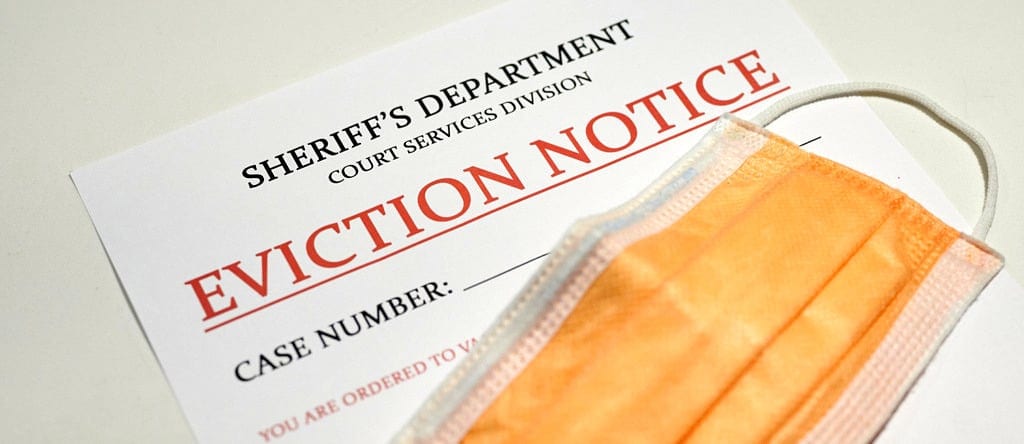
Update (6/24/21): The Biden administration has extended the CDC eviction moratorium through July 31. This is reportedly the final extension.
Sold out concerts, packed weddings, filled sports stadiums, busy restaurants, vibrant bars, bustling offices. One step outside, and it feels like the pandemic is over. As vaccination thresholds approach critical mass, America is once again open for business.
But while the public health side of the crisis is dissipating, the economic side is still affecting millions. This is particularly true for renters who for months have had trouble paying rent and depending on emergency declarations to keep them in their homes.
Washington, D.C., stepped in to help, extending a blanket ban on (most) evictions across the nation. But federal eviction moratorium protections will soon come to an end.
Why the eviction moratorium exists
As the pandemic raged over the last 15 months, Americans suffered a wide range of crises from employment to healthcare to schooling. But for many renters across the nation, the effect was doubly felt. Job losses, medical bills, child care needs and basic living expenses made it difficult to make rent each month. Without help, many renters would face eviction in the midst of a global health and economic crisis.
Thankfully, the federal government had a plan to help. The most wide-ranging of these measures was the federal nationwide eviction moratorium. The government mandated that landlords couldn’t evict tenants for failing to pay rent during the pandemic. This went into effect in March of 2020 as part of Congress’ CARES Act aid package. It has since been extended several times.
The moratorium was broad but did contain a number of stipulations. To qualify, renters had to meet certain income thresholds and be unable to afford rent due to medical or employment hardships.
Tenants asking for relief also had to prove they made “good faith” efforts to receive aid and did not have other housing options.

What happens when the eviction moratorium ends
To simply break it down, moratoriums are delays in payment. Any renter receiving an eviction moratorium must still pay back missed rent, as well as any fines or fees. Now, those rents, fines and fees will soon come due.
“Since the beginning of the pandemic, housing providers and residents alike made tremendous sacrifices to meet their obligations during unprecedented economic uncertainty. We continue to encourage apartment firms to work with residents … as we transition back to normalcy.” — Doug Bibby, President, National Multifamily Housing Council
After the start of the CDC’s moratorium, there were about a quarter of a million eviction cases pending filing. This is over half of what is typically seen during that time period despite the skyrocketing number of people behind on rent. The Center estimates that more than 10 million households are in arrears, which represents a staggering 14 percent of all renters in the nation.
With the federal moratorium ending, what is next for renters who have depended on it?
Certain areas have unique moratoriums and rent relief proposals
By July 31, those helped by the moratorium will need to make a plan with their landlord on paying back rent and applicable fees. How fast and when payments must need repaying is a decision your landlord or property owner will make.
Most renters will ideally initiate a payment plan to stay in their homes or come to mutually agreed-upon terms for moving forward. But for others, eviction proceedings may start within 30 to 90 days if they can’t pay owed rent. All of this depends on where you live.
Thankfully, the federal government isn’t the only entity offering protection. Several states and municipalities have their own moratoriums that extend past the CDC’s coverage. Many states have implemented their own emergency declarations under which local eviction moratoria continue. Some are extending protections for a period of time after lifted declarations on July 31.
Renters in states like Minnesota, Connecticut, Maryland, Montana and others are still covered by local emergency declarations. In Oregon, renters have until February of 2022 to make up for missing payments without fear of eviction. In Washington state, renters now have a guaranteed right to counsel when an eviction goes to court. And in California, the state is proposing a plan to forgive debt for low-income renters while providing landlords 100 percent of rent owed.
Unfortunately, this still leaves millions of renters’ futures up in the air when the federal moratorium ends and the rent literally comes due.

Rent payment resources for renters
If you live where moratoriums will continue past the end of federal protections, now is the time to plan for the end of your coverage.
But if you live in a state or city where protections no longer cover you, there are still other options.
Stimulus plans and rental assistance
In recent months, the federal government passed multiple plans aimed to provide grants and stimulus money to both renters to catch up on rent and to property owners to catch up on mortgage payments.
Just after Christmas 2020, Congress passed the Consolidated Appropriations Act in anticipation of the end of the eviction moratorium, designating $25 billion in the plan. The portion of the plan that affects renters is known as the Emergency Rental Assistance Program — renters can visit the website to see where money is going.
In March, another $23 billion came from the American Rescue Plan, from which most Americans received a stimulus check. The Emergency Rental Assistance portion of this plan went to states, territories and some specific cities and counties.
In total, there is $46.6 billion in stimulus money available for renters. And the money isn’t just available for past due rent but also rental fees, late fees, relocation expenses and utility payments.
The catch is that the money doesn’t go directly to renters, or even to landlords. It goes to the local governments and states. To receive funds through these programs, renters need to contact the appropriate housing authority or agency to begin the payment process.
If you don’t know where to start, you can dial 211 for information.
Make a plan with your landlord
Even if you qualify for aid, it may take a while to receive it. In fact, the estimated amount of back rent owed across the country is as much as $53 billion.
Whether you’re waiting to receive payment or aren’t eligible at all, the best answer is communication. The national refrain through the pandemic has been, “We’re all in this together.” You, your landlord, your neighbors, everyone has had their own stresses and issues. The first step is talking with your landlord or the property owner about your situation.
Sit down with them and make a plan that keeps you in your apartment and gets them their money. Most landlords will be understanding and helpful as long as the lines of communication stay open and everyone works towards the same goals.