Updated February 5
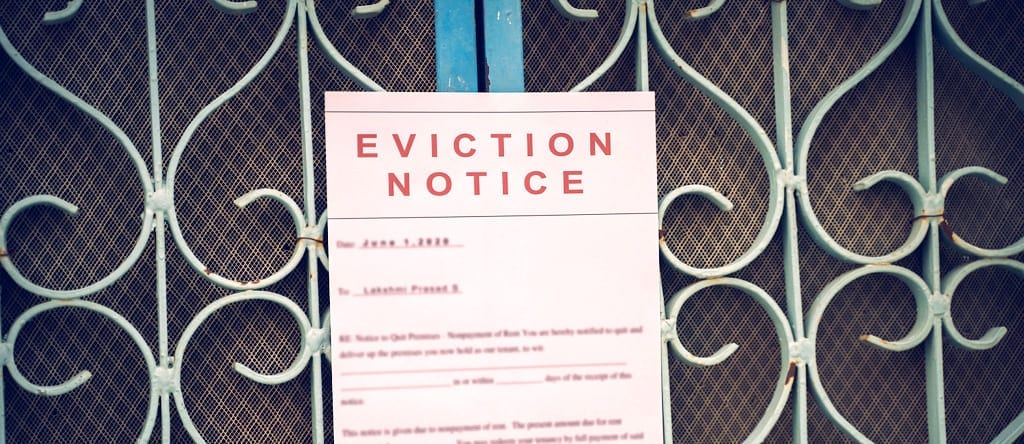
In September, the Centers for Disease Control (CDC) declared a temporary halt to evictions through Jan. 31. It has now been extended to March 31, 2021.
The CDC Eviction Moratorium aims to help keep renters in their homes, even if they’re facing financial challenges. It’s part of the CDC’s effort to control the spread of COVID-19.
Tenants cannot be evicted through March 31. But renters will still be responsible for paying back rent, fees and interest that may accrue, so clear communication with landlords and property managers is important.
- Why was the CDC Eviction Moratorium necessary?
- How does the CDC Eviction Moratorium work?
- Do I still have to pay rent?
- Does the CDC Eviction Moratorium apply to my building?
- How do I apply?
- Who is eligible for the CDC Eviction Moratorium?
- Who should fill out the declaration form?
- What do I do with the completed declaration form?
- How do I create a payment plan?
- Does the CDC Eviction Moratorium stop all evictions?

Why was the CDC Eviction Moratorium necessary?
Section 361 of the Public Health Service Act gives the CDC the authority to take action to protect public health. A large group of people without permanent housing during a pandemic could potentially challenge public health resources and endanger the well-being of individuals, especially those with pre-existing conditions that can make a COVID-19 diagnosis more dangerous.
Since pre-existing conditions include age (older adults are more vulnerable to the disease), as well as medical diagnoses like cancer, heart disease, diabetes, obesity and autoimmune disorders, a significant portion of the population is at increased risk.
Evicting renters from their homes may force them into crowded environments like homeless shelters or the homes of friends or family members. Since the virus spreads most easily in close quarters, adding people to an indoor living space could increase the risk of spreading the virus to more people by expanding the household size. Even if the evicted renters themselves don’t have preexisting conditions that could make a COVID-19 diagnosis more dangerous, they could easily carry the disease to someone who does.
Individuals without secure housing are often forced to move often, occupying whatever space is available, which may also increase their exposure to the virus in different (and possibly more crowded) environments. If they have coronavirus at the time of a move, they could unknowingly infect others.
Individuals exposed to coronavirus or diagnosed with the disease can’t quarantine at home to rest, recover and minimize the spread if they no longer have a home. The CDC Eviction Moratorium is designed to temporarily keep residents in their homes and help mitigate these risks.
How does the CDC Eviction Moratorium work?
Under this order, any eligible renter who has completed and returned a declaration form to their property manager or landlord cannot be evicted due to nonpayment of rent between now and March. 31. The order doesn’t cover foreclosures on home mortgages.
So, unless the building itself is being foreclosed upon, a landlord or property owner cannot force you to vacate your residence through March 31, 2021 — as long as you’ve completed your declaration form and turned it in to whoever has the power to evict you. They also can’t ask another party (like a lawyer or the police) to issue or enforce eviction orders. You’ll be allowed to stay in your residence until March 31. Exceptions to this are allowed in situations where the resident is conducting criminal activity, endangering other residents, or violating the terms of their lease or local housing codes.
Do I still have to pay rent?
Yes, rent is still due. The CDC Eviction Moratorium isn’t a rent forgiveness program. It merely defers evictions until after March 31. This allows tenants additional time to work out a payment plan with their landlords and use the extra months to explore all possible types of financial assistance.
The CDC described the order as a way to “temporarily halt residential evictions.” Residents will still be responsible for paying their full rent payments. So, landlords cannot evict you, but you’ll still owe back rent (and penalties and interest) if you fall behind in your payments.

Does the CDC Eviction Moratorium apply to my building?
The CDC Eviction Moratorium applies to all buildings, including both multi-family properties and single-family rentals. The language of the moratorium encompasses any property that’s rented as a residence, whether it’s a house, apartment building, mobile home or land that’s leased for residential purposes.
It applies to dwellings that are both federally-related and privately-owned. This is a change from the earlier moratoriums under the CARES Act. The CDC Eviction Moratorium supersedes that law and offers protection to more renters.
The temporary halt to evictions doesn’t apply to residents of guest houses, motels and hotels. These and similar buildings are defined as spaces for temporary guests or seasonal tenants according to state, tribal, territorial or local laws.
How do I apply?
Tenants need to opt into the program. Renters must complete a declaration form proving that they’re eligible for the temporary relief issued by the CDC Eviction Moratorium.
Applicants must affirm that they’re incapable of paying their rent or likely to experience homelessness if evicted from the property. The document also requires residents to state that they will pay as much rent as their current financial situation allows until March 31. After that date, the full balance of the rent and any related fees will be due, unless otherwise arranged with the landlord.
Who is eligible for the CDC Eviction Moratorium?
The eviction moratorium prohibits landlords from evicting tenants who meet the following criteria:
- The renter has used their best efforts to obtain government assistance for rent or housing.
- The renter meets at least one of the following criteria:
- Earned no more than $99,000 in annual income in 2020 (or no more than $198,000 if filing jointly).
- Was not required to report any income in 2019 to the IRS.
- Received a stimulus check (Economic Impact Payment) from the CARES act in 2020.
- The renter is unable to pay full rent due to substantial income loss, lost work or wages, or extraordinary out-of-pocket medical expenses.
- The renter is using their best effort to make partial payments on time that are as close as possible to the full payment amount (taking other non-discretionary expenses into account).
- Eviction would likely cause the renter to become homeless, or force the renter to live in close quarters in a shared living setting since they have no other options.
- The renter must still make a housing payment as agreed under their lease or contact, and fees, penalties or interest for not paying rent on time can still be charged or collected.
- The renter is required to pay back the late rent amount in full at the end of the eviction moratorium period.
Your local state, territory or tribal government may offer eviction protections that are longer than the federal minimum protections, so it’s important to check your state’s specific eviction policies to see if you are protected from eviction for longer than the federal minimum of March 31, 2021.

Who should fill out the declaration form?
All adults listed on the lease should fill out the declaration form and send it to their landlord or property manager. It’s up to each individual to demonstrate their own payment challenges. Roommates and family members need to create a workable payment plan and turn into their landlord or property manager together.
What do I do with the completed declaration form?
Send your completed declaration form to your property manager, owner or landlord along with your payment plan. (See below to learn how to create one.) Your landlord should acknowledge receipt of the document. It’s smart to request confirmation of receipt in writing. Record the date it was sent and the date they indicated receipt.
The CDC indicates that your property manager or landlord cannot refuse to accept completed declaration forms from tenants who are eligible for relief. They’re not expected to investigate the claims you make in the form.
But make sure those claims are accurate. The declaration form is sworn testimony, so false claims are considered perjury. Lying or omitting relevant information could open you up to fines, a court case or even jail time.
How do I create a payment plan?
Landlord and property owners want you to know that the pandemic is challenging many renters. They’re well aware that health challenges, reduced work hours, unexpected furloughs and business closures are widespread. They want to work with dependable renters, even if they’ve fallen on hard times due to this crisis.
If you can’t afford your rent payments due to coronavirus, reach out to your landlord as soon as you know you have a problem. This demonstrates consideration for the other party and a desire to keep the lines of communication open.
Then, create a rent payment plan. Consult with other adults on the lease to determine a realistic amount you can afford to pay each month. Remember that fees and interest for nonpayment add up, so it’s in your best interest to pay as much as you can to avoid a larger bill when the CDC Eviction Moratorium expires.
Write out your financial commitments, method of payment and payment dates in clear and concise language. Make the document easy to read and simple for your landlord or property manager to sign and return.
Does the CDC Eviction Moratorium stop all evictions?
No, the CDC Eviction Moratorium only temporarily halts evictions due to the nonpayment of rent. It clearly states that eligible adult residents who have completed and returned the declaration form to their landlord, property owner or property manager cannot be evicted for nonpayment due to financial hardship.
Evictions that aren’t related to rent payments are allowed. Residents can still be evicted for violating the terms of a lease or breaking building or community rules and guidelines.
Short-term solution
The CDC Eviction Moratorium is a temporary solution to keep renters in their homes to preserve public health during the coronavirus pandemic. It’s not a rent forgiveness program, but it will buy some much needed time for renters experiencing financial hardship due to the coronavirus pandemic.