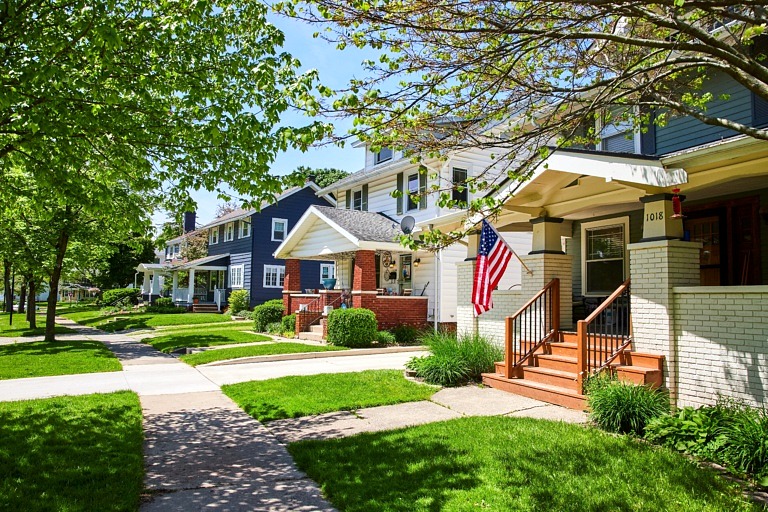
Knoxville, often referred to as the “Marble City,” is a place of natural beauty and Southern charm. With its proximity to the Great Smoky Mountains, vibrant arts scene, and welcoming community, Knoxville offers a unique blend of outdoor adventure and cultural experiences. However, like any city, it has its own set of challenges. So whether you’re searching for a modern apartment in Downtown Knoxville or a charming apartment in Old North Knoxville, you’ve come to the right place. In this ApartmentGuide article, we’ll explore the various pros and cons of living in Knoxville, helping you decide if this picturesque Tennessee city is the right place for you.
Fast facts about living in Knoxville
- Known for: Proximity to the Great Smoky Mountains, vibrant arts scene, and Southern charm
- Fun fact: Knoxville is nicknamed the “Marble City” due to its historical marble quarries.
- Population: Over 190,000 residents
- Average rent: $1,299 per month for a one-bedroom apartment
- Median home sale price: $322,500
- Public parks: Over 100, including Ijams Nature Center and Concord Park
- Proximity to major cities: About 180 miles northwest of Atlanta, GA, and 200 miles southeast of Nashville, TN

1. Pro: Proximity to nature
Knoxville’s location near the Great Smoky Mountains National Park provides residents with easy access to outdoor activities like hiking, camping, and fishing. The city’s numerous parks and greenways, such as Ijams Nature Center and the Knoxville Urban Wilderness, offer plenty of opportunities for recreation and relaxation. This close connection to nature makes Knoxville a haven for outdoor enthusiasts.
Popular outdoor spots in Knoxville
- House Mountain State Natural Area
- Concord Park
- Mead’s Quarry Lake
- Seven Islands State Birding Park
- Victor Ashe Park
2. Con: Limited public transportation
While Knoxville Area Transit (KAT) provides essential bus services, the public transportation system in Knoxville is limited compared to larger cities. The city has a transit score of 27, a walk score of 31, and a bike score of 30. This means that most daily errands require a car, which can be inconvenient for those who prefer not to drive or do not own a vehicle. The spread-out nature of the city and limited service hours can make commuting challenging without a car.
3. Pro: Affordable cost of living
Knoxville offers an affordable lifestyle compared to many cities across the U.S. The overall cost of living in Knoxville is 13% below the national average, making it an attractive option for budget-conscious residents. Housing is especially affordable, with a median sale price for a home in Knoxville at $322,500—significantly lower than the national average of $435,051. Renters also benefit from lower costs, with the average rent for a one-bedroom apartment in Knoxville at $1,299, compared to the national average of $1,534.
Everyday expenses further enhance Knoxville’s affordability. Utilities are 14% less expensive, groceries are 1% lower, and transportation costs are 12% below the national average. Healthcare costs are 13% lower, providing additional savings for residents.
Knoxville’s combination of affordable housing and lower essential expenses makes it an appealing destination for those seeking a vibrant community with easy access to nature and cultural amenities, all without breaking the bank.
4. Con: Weather variability
Knoxville experiences a range of weather conditions, from hot and humid summers to cold winters with occasional snowfall. The city’s weather can be unpredictable, with sudden changes in temperature and frequent rain during the spring and fall. This variability can be challenging for residents to adjust to and requires preparation for different weather scenarios throughout the year.
5. Pro: Strong educational institutions
Knoxville is home to several respected educational institutions, including the University of Tennessee (UT), which is a major research university with a wide range of programs. The presence of UT contributes to a vibrant academic atmosphere and provides numerous cultural and sporting events. Additionally, there are various public and private schools offering quality education for locals.

6. Con: Limited job market diversity
While Knoxville has a growing economy, the job market is somewhat limited in diversity compared to larger metropolitan areas. The city’s economy is heavily influenced by the University of Tennessee and industries such as manufacturing, healthcare, and retail. While these sectors provide job opportunities, those seeking employment in more specialized fields may find fewer options available.
7. Pro: Vibrant arts and culture scene
Knoxville boasts a vibrant arts and culture scene, with numerous galleries, theaters, and music venues. The city is home to the Knoxville Museum of Art, the historic Tennessee Theatre, and the Bijou Theatre, which host a variety of performances and exhibitions. Knoxville also has a thriving music scene, with live performances ranging from bluegrass and country to rock and jazz. This cultural richness provides residents with plenty of opportunities for entertainment and artistic engagement.
8. Con: High humidity
Knoxville’s climate, while generally pleasant, comes with high humidity levels, especially during the summer months. The humidity can be uncomfortable and make outdoor activities less enjoyable. High humidity can also affect indoor comfort and increase the reliance on air conditioning, leading to higher utility costs. Residents need to be prepared for the humid conditions and take measures to stay cool and hydrated.
9. Pro: Community-friendly environment
Knoxville is known for its strong sense of community and Southern hospitality. The city hosts numerous events and festivals throughout the year, such as the Dogwood Arts Festival and the Big Ears Festival, which bring residents together and foster a sense of camaraderie. Knoxville’s neighborhoods, such as Sequoyah Hills, Bearden, and Fountain City, offer a variety of living environments with active community associations and local initiatives that enhance the quality of life.
10. Con: Limited nightlife
While Knoxville offers a variety of dining and entertainment options, its nightlife scene is not as vibrant as larger cities. The city has a more laid-back atmosphere, with fewer late-night venues and entertainment options. Residents seeking a bustling nightlife might find the options limited, though there are still plenty of local bars, breweries, and restaurants to enjoy. For those who crave more excitement, larger cities like Nashville and Atlanta are within driving distance.

11. Pro: Historic charm
Knoxville’s rich history is reflected in its architecture and historic districts. The city is home to several well-preserved historic neighborhoods, such as Old North Knoxville and Fourth & Gill, which feature beautiful homes and tree-lined streets. Downtown Knoxville also boasts historic buildings and landmarks, including the Market Square and the Sunsphere, adding to the city’s unique character and charm.
13. Pro: Growing job market
Knoxville has a growing job market, with opportunities in various sectors such as education, healthcare, and manufacturing. The University of Tennessee, Knoxville, is a major employer, along with Oak Ridge National Laboratory and several healthcare providers. The city’s economy is expanding, attracting new businesses and industries, which enhances job prospects and economic stability.
Top employers in Knoxville
- University of Tennessee, Knoxville
- Oak Ridge National Laboratory
- Tennessee Valley Authority (TVA)
- Pilot Flying J
- Covenant Health
14. Pro: Iconic landmarks
Living in Knoxville means having iconic landmarks and attractions at your doorstep. From the historic Market Square to the picturesque Sunsphere, these sites contribute to the city’s unique character and charm.
Popular landmarks in Knoxville
- Ijams Nature Center
- Knoxville Zoo
- World’s Fair Park
- Tennessee Theatre
- James White Fort