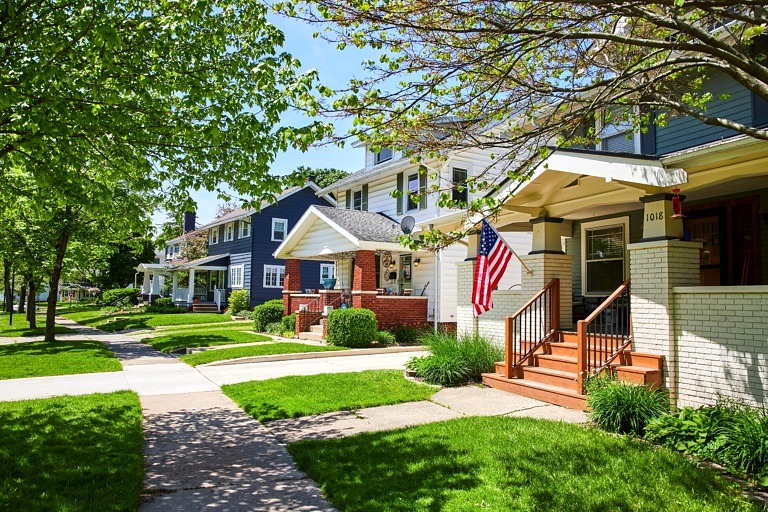
From the shores of Cape Cod to the historic streets of Boston and the lush Berkshires, Massachusetts has landscapes that cater to every lifestyle. Its cities, such as Worcester with its cultural heritage and Cambridge as an intellectual and innovation hub, offer unparalleled living experiences. However, living in Massachusetts has its challenges. In this ApartmentGuide article, we’ll examine both the pros and cons of living in Massachusetts.
Renting in Massachusetts snapshot
| Population | 7,001,399 |
| Avg. studio rent | $2,161 per month |
| Avg. one-bedroom rent | $2,330 per month |
| Avg. two-bedroom rent | $2,748 per month |
| Most affordable cities to rent in Massachusetts | Chicopee, Springfield, Taunton |
| Most walkable cities in Massachusetts | Cambridge, Somerville, Boston |
1. Pro: Walk through American history
Massachusetts is like you’re living in a museum where centuries-old buildings and legendary landmarks tell the story of America’s beginnings. Boston’s Freedom Trail winds past historic sites like Paul Revere’s house, the Old North Church, and the site of the Boston Massacre. In Plymouth, you can see where the Pilgrims first settled in 1620, and in Salem, the remnants of the infamous witch trials still draw visitors intrigued by the city’s haunting past. Concord and Lexington, where the first shots of the Revolutionary War were fired, bring history to life with preserved battlefields and reenactments.

2. Con: The price of living here is steep
3. Pro: A powerhouse for higher education
Massachusetts has long been known for its prestigious universities and groundbreaking research institutions. Harvard and MIT lead the way in academics and innovation, drawing students and scholars from all over the world. But beyond these well-known names, the state is packed with respected colleges and universities that provide a wide range of opportunities for students in every field.

4. Con: Traffic that tests your patience
If you live in Massachusetts, long commutes and frustrating delays are a daily reality. Boston ranks among the most congested cities in the country, with drivers wasting hours each year sitting in gridlock. The outdated road system, combined with a growing population, makes for slow-moving highways and frequent bottlenecks. Public transit is an alternative, but the Massachusetts Bay Transportation Authority (MBTA) can leave commuters dealing with delays, breakdowns, and overcrowding.
5. Pro: Deep-rooted arts and entertainment
Massachusetts has a long history of supporting the arts, with museums, theaters, and music venues that showcase everything from classical performances to contemporary works. The Boston Symphony Orchestra is one of the most respected in the world, while the Museum of Fine Arts houses collections that span thousands of years. The state is home to a strong theater scene, with productions ranging from Broadway-caliber performances in Boston to outdoor Shakespeare festivals in the Berkshires.
6. Con: Long, harsh winters that drag on
Snowstorms can bury cities under several feet of snow, ice coats the roads, and temperatures frequently dip below freezing for months at a time. The cold isn’t just an inconvenience—it affects daily life, making commutes more difficult, increasing heating bills, and sometimes even causing school and business closures. While snow-covered landscapes may look picturesque, they come with the hassle of constant shoveling, ice scraping, and navigating slippery sidewalks.

7. Pro: Easy access to the outdoors
Massachusetts may have densely populated cities, but nature is never far away. In the warmer months, Cape Cod’s sandy beaches, the rocky coastline of the North Shore, and the scenic trails of Mount Greylock provide a perfect escape from urban life. When fall arrives, the state turns into a postcard-worthy scene with vibrant foliage that draws visitors from all over. Winter brings its own outdoor activities, from skiing and snowboarding in the Berkshires to ice skating on frozen ponds. Additionally, the Appalachian Trail, stretching through western Massachusetts, provides year-round hiking opportunities.
8. Con: Housing here is competitive
Finding an affordable place to live in Massachusetts has become increasingly difficult, particularly in and around Boston. The demand for housing far outweighs supply, leading to high home prices and competitive bidding wars. Even outside major metropolitan areas, housing costs remain well above the national average. Rental prices continue to rise as well, leaving many struggling to secure an apartment within budget.
9. Pro: A thriving economy with job opportunities
Massachusetts has a diverse economy, with thriving industries in technology, healthcare, finance, and education. Boston is a center for biotech and pharmaceutical research, while companies in Cambridge lead advancements in artificial intelligence and robotics. The state’s universities and hospitals fuel innovation, creating job opportunities in medical research, engineering, and technology development.

10. Con: Seasonal allergies hit hard
Spring and fall in Massachusetts bring waves of pollen that leave allergy sufferers sniffling, sneezing, and struggling with itchy eyes. The state’s dense tree cover means that pollen levels can be particularly high, especially from elm, juniper, and poplar trees. As temperatures rise in spring, pollen fills the air, coating cars and sidewalks in yellow dust. In the fall, ragweed and mold spores create another round of allergy triggers.
11. Pro: A state that lives and breathes sports
Fans are deeply loyal to their teams, whether it’s the Red Sox at Fenway Park, the Patriots dominating the football season, or the Celtics and Bruins keeping Boston’s TD Garden packed year-round. Game days bring a sense of energy, with generations of families coming together to celebrate their teams. Beyond professional sports, Massachusetts has a strong college athletics scene, with rivalries that run deep between schools like Harvard, Boston College, and UMass.
12. Con: Property taxes add to the cost of living
Owning a home in Massachusetts comes with more than just a high purchase price—property taxes here are among the highest in the country. With an average effective tax rate of 1.12%, homeowners pay significantly more than the national average. In some towns, property taxes are even higher, adding thousands of dollars to the cost of homeownership each year. If you’re considering a jump into homeownership, understanding the additional costs of owning a home is essential.
Methodology : The population data is from the United States Census Bureau, walkable cities are from Walk Score, and rental data is from ApartmentGuide.